
Most Promising Graduate
of the Year 2026
Picture © Nicolas Debock
— Pétula Cliche
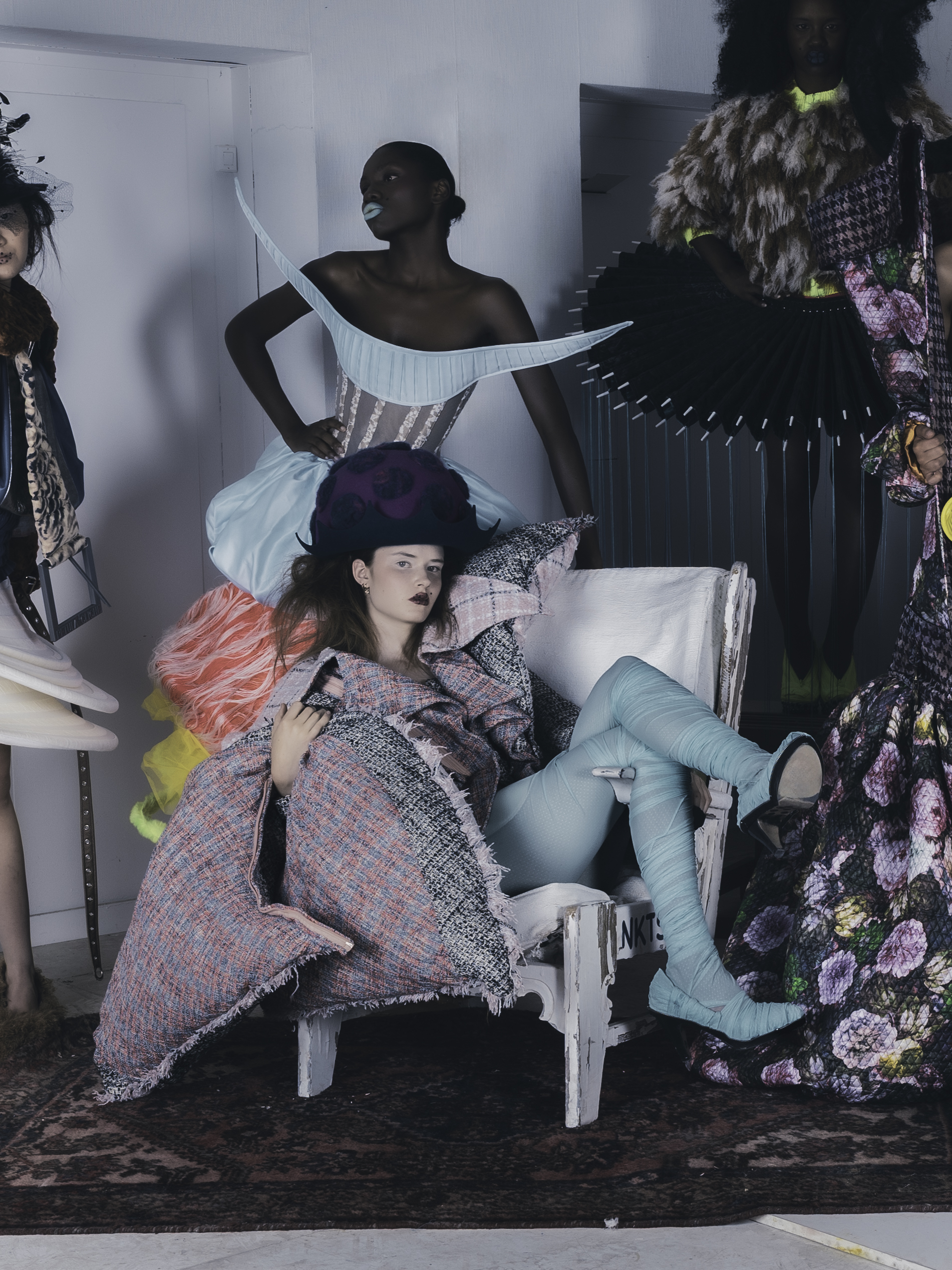
Pétula Cliche is a 22-year-old Belgian fashion designer from Namur. She trained at IFAPME Château Massart in Liège after studying at the École des Cadets in Namur, while continuously developing independent creative projects alongside her education. Her work is characterised by an avant-garde and expressive visual language that approaches fashion as a highly personal form of self-expression. Cliche combines the technical skills acquired through her training with an instinctive and experimental approach, using clothing to develop a creative universe of her own. As her practice evolves, she continues to explore how technique, individuality and imagination can come together in silhouettes that feel both personal and uncompromising.
Picture © Noé Znidarsic
— Léa Destercke Hock
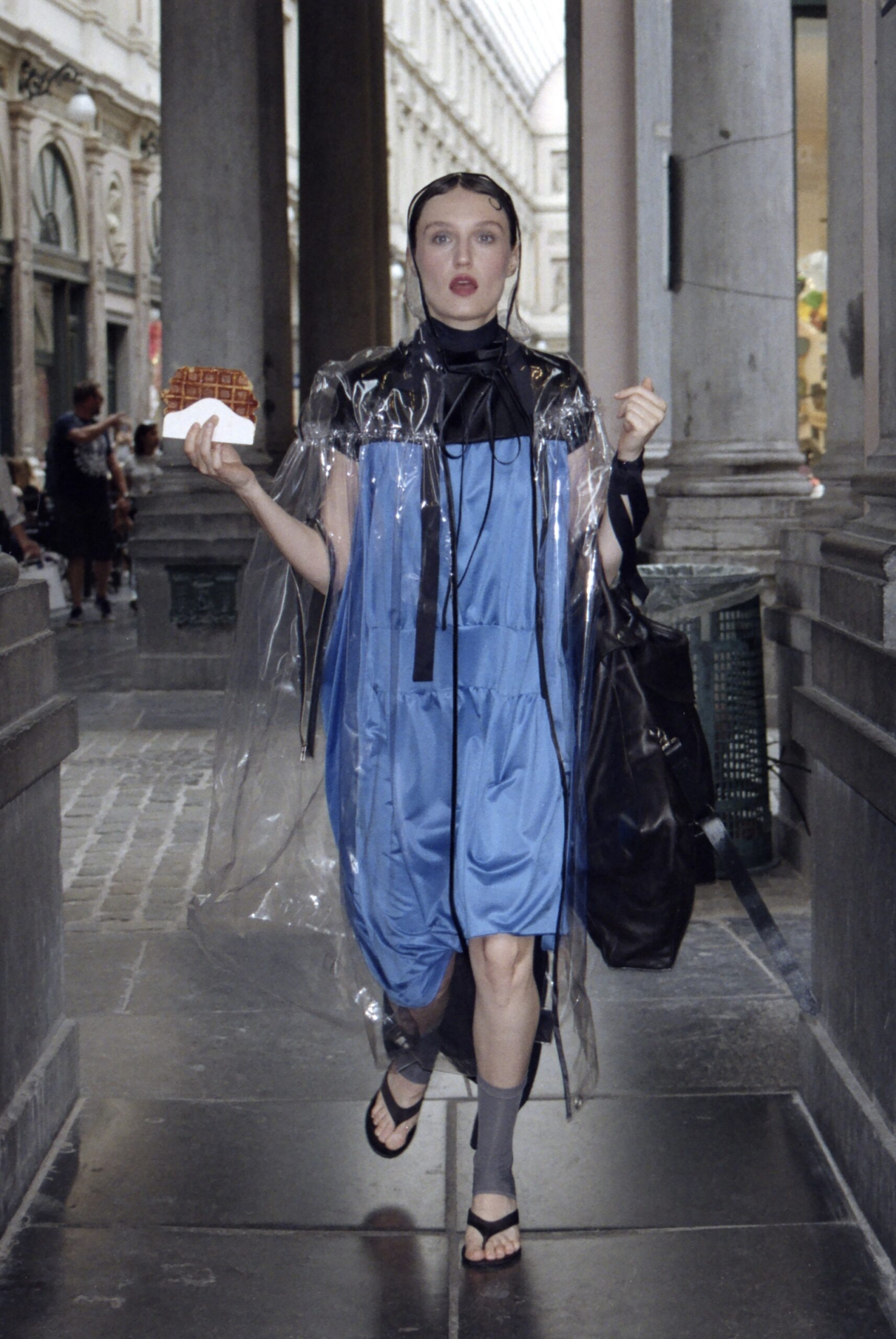
Brussels-based fashion student Léa Destercke Hock grew up in a small village near Charleroi, an environment she says allowed her to develop her own visual language away from established fashion codes. Her work explores tension and balance through pattern cutting, colour and contrasts between seemingly opposing ideas. Her first collection, A Playground Between Blue and Yellow, is built around a fragile equilibrium between fluidity and structure, beauty and ugliness, sportswear and elegance. Destercke Hock describes its central character as a young woman who wants to dress elegantly for an event but still needs clothes she can move and run in. This idea led her to what she calls “Contemporary Nobility”: bringing beauty into everyday life through garments that respond to practical needs without sacrificing aesthetics or comfort.
Picture © Leoni Jones
— Stan Peeters
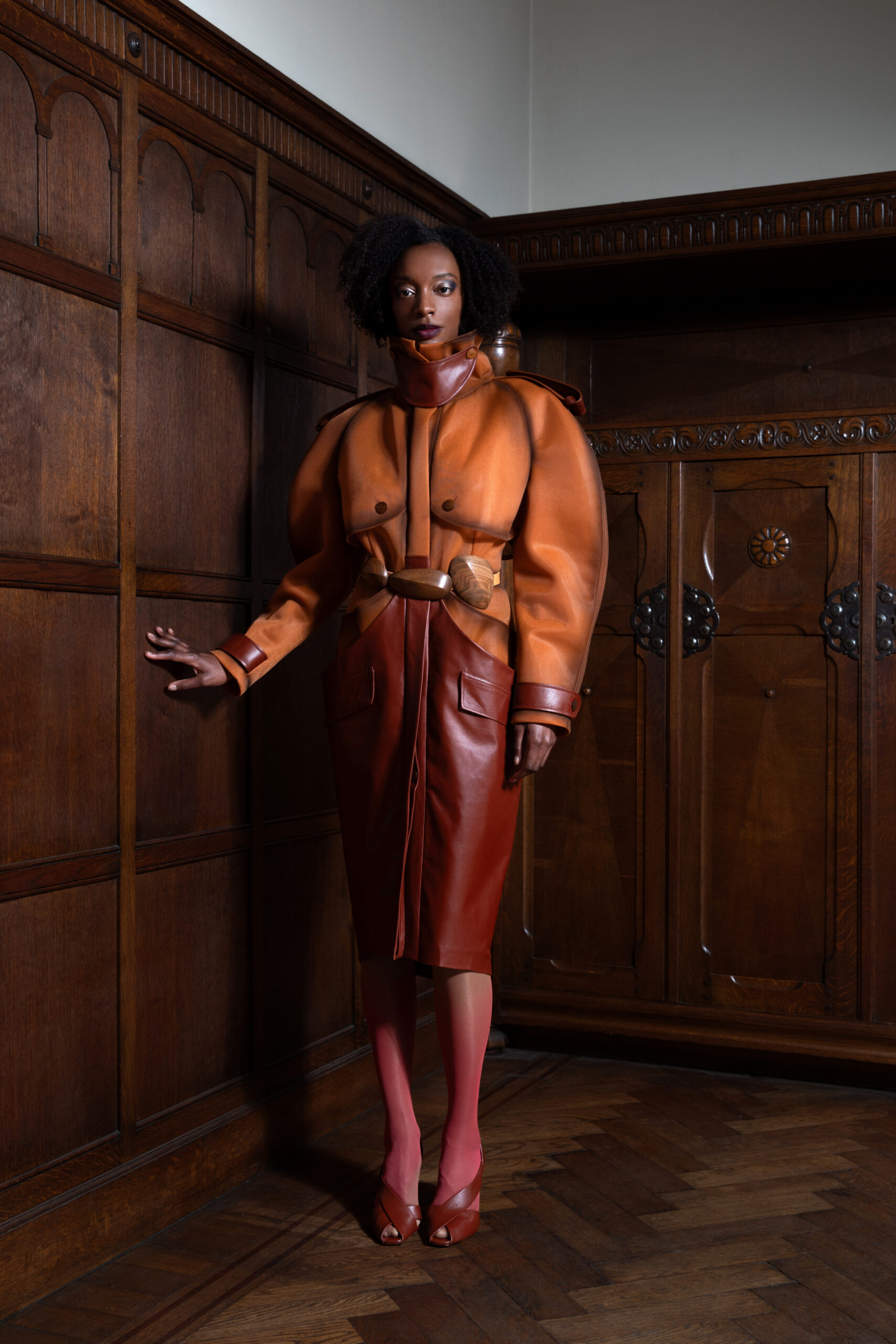
Stan Peeters is a Belgian fashion designer and recent Master graduate of the Fashion Department at the Royal Academy of Fine Arts Antwerp. His work explores the relationship between the female body, sculpture and architecture, with a strong focus on silhouette and construction. Clean lines, sculptural volumes and precise tailoring define an aesthetic in which structure is balanced with softness and quiet elegance.
His graduate collection, Sculpted Space, draws on the Cubist sculptures of Alexander Archipenko and the modernist paintings of Marthe Donas. Peeters translates their play with volume, void and perspective into garments conceived almost as architectural compositions around the body. Sculptural wooden accessories, made in collaboration with his father, further blur the boundaries between fashion and object design. In 2026, Peeters was selected as one of ten finalists for the ITS Contest in Trieste and is set to join Maison Alaïa in Paris as an intern.
Picture © Farah Lieten
— Harry Van Noten
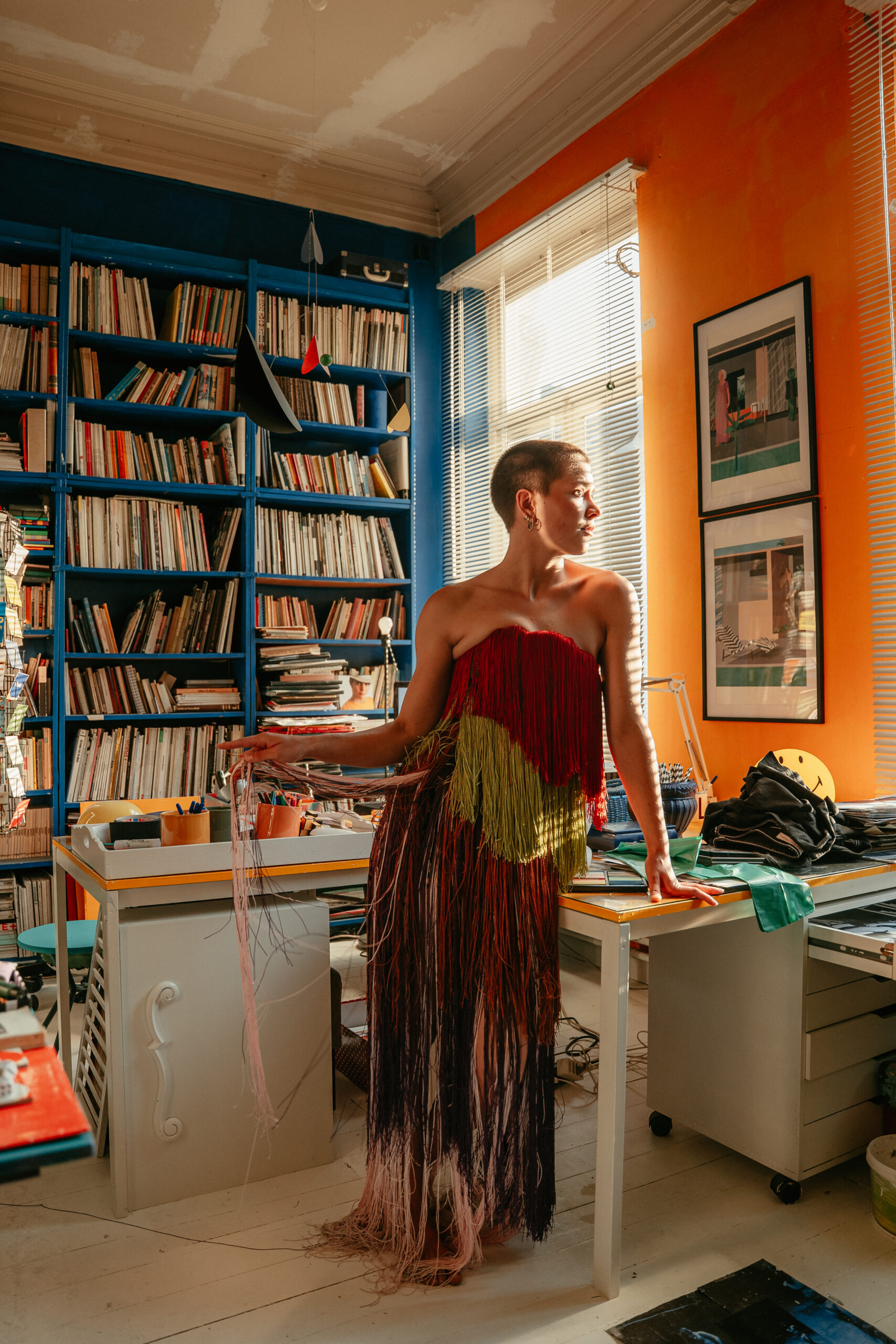
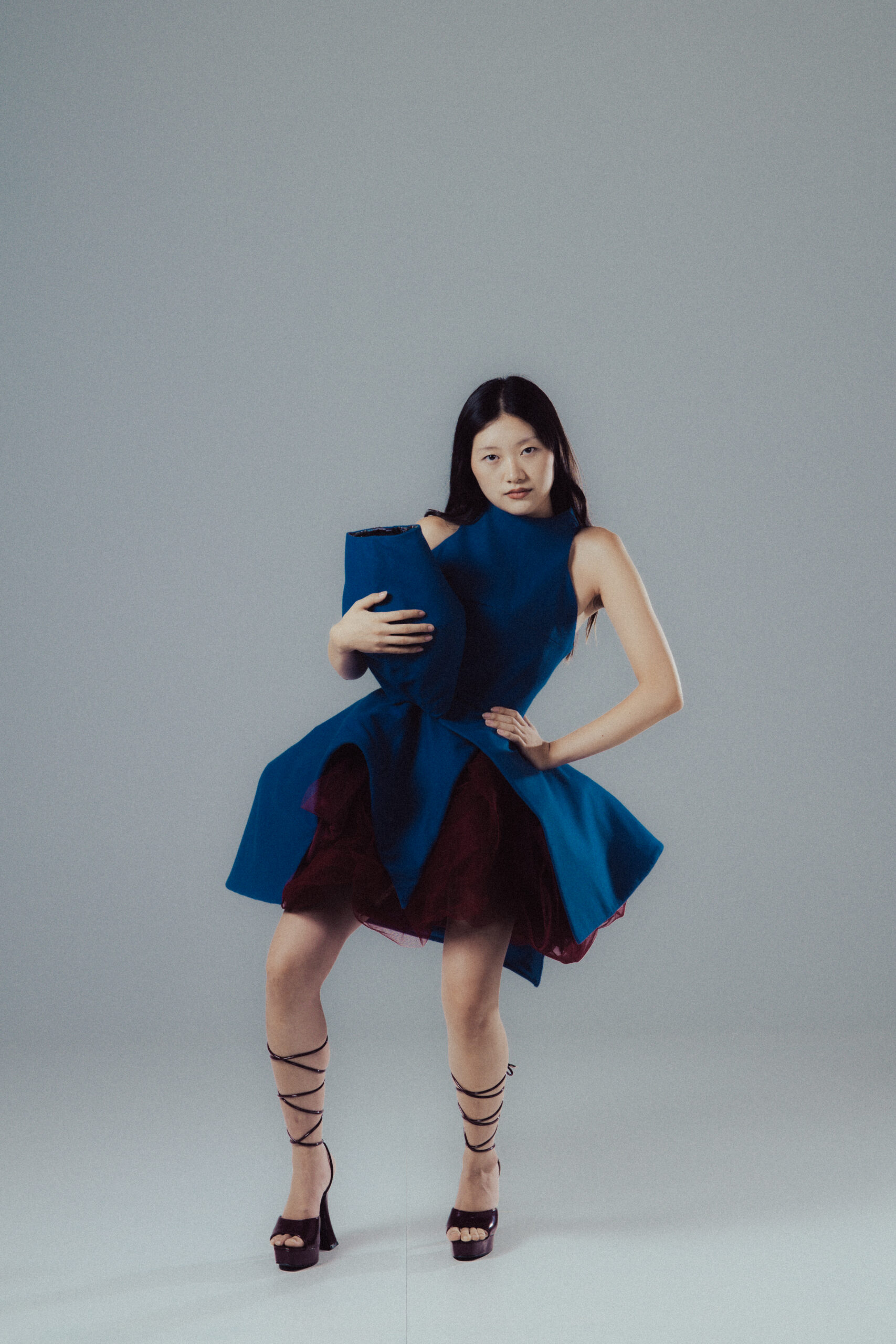
Harry Van Noten is a Belgian fashion designer and Master’s student at KASK & Conservatorium in Ghent. Their practice brings together fashion history, craftsmanship, subcultural aesthetics and questions surrounding the relationship between clothing, the body and identity. Drawing on fetishism, queer culture and historical references, Van Noten creates garments that move between intimacy and excess, often combining traditional techniques with unconventional materials and imagery. Research plays a central role in their work, with fashion used as a tool to uncover, preserve and reinterpret overlooked histories and cultural narratives. Hand embroidery, draping and pattern cutting translate these references into meticulously constructed garments in which memory, desire and symbolism are recurring themes. Van Noten’s work has been featured by Vogue and Flanders DC and presented through exhibitions, fashion shows and independent projects.
Picture © Nolanshoot
— Loïc Koop Hermans
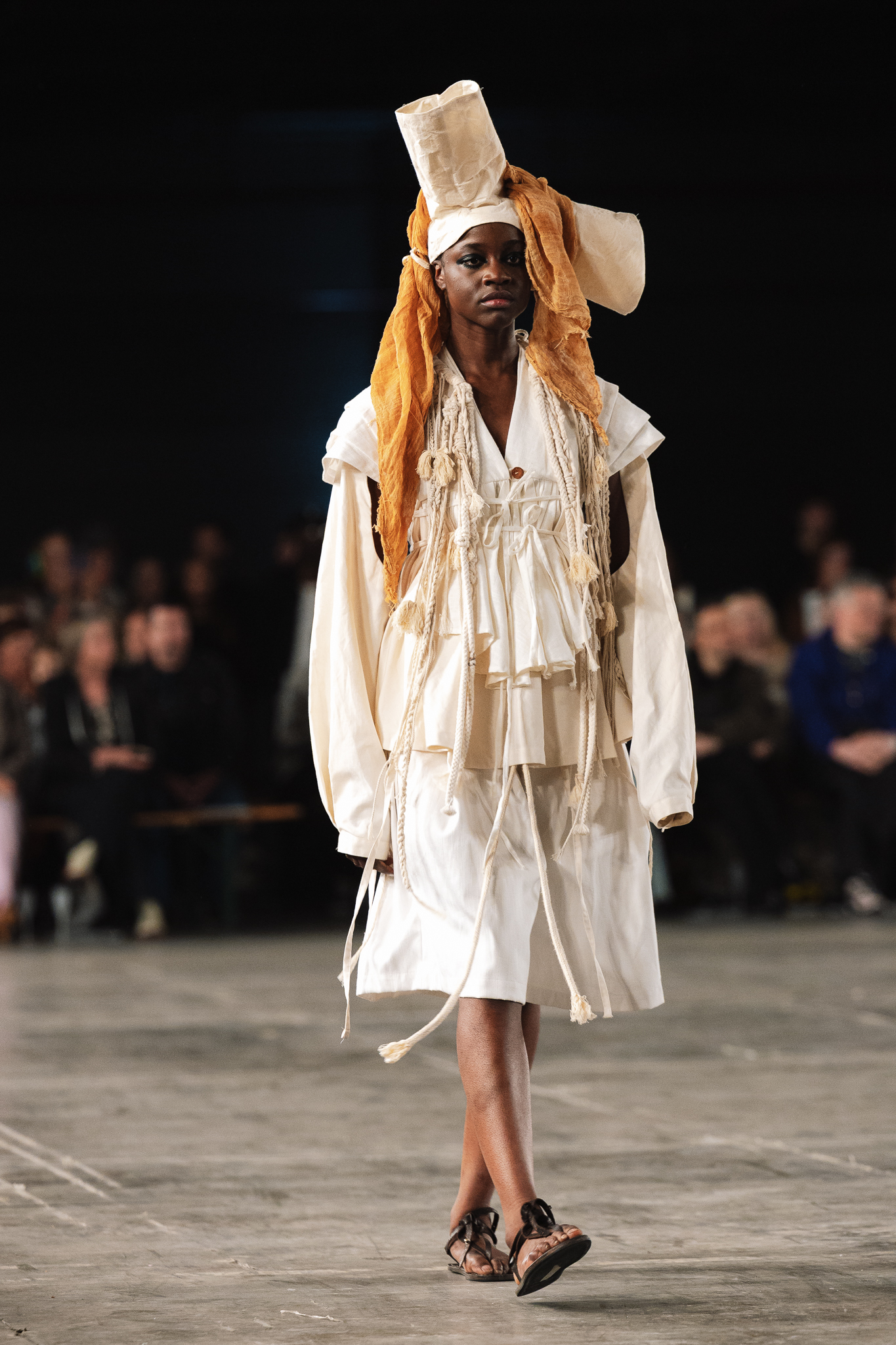
Loïc Koop Hermans is a Belgian fashion designer trained at HELMo Mode in Liège. After first graduating in accounting, he turned back to a childhood fascination with clothing and self-expression. His designer name, Koop Hermans, combines his parents’ family names and reflects the importance of family, memory and inheritance throughout his work. His practice brings together tailoring, sculptural volumes and the transformation of familiar garments. His graduate collection, Bloodlines – What Silence Weaves, explores trauma, intergenerational transmission and the emotional traces families leave behind. Through a fictional family of nine characters, each silhouette embodies a different wound, translated through construction, volume, material and its relationship to the body. Rather than looking only at what is inherited, the collection examines how those memories can be transformed and reclaimed through clothing.
Picture © Dylan van der Jeught
— Kito Kitsoane
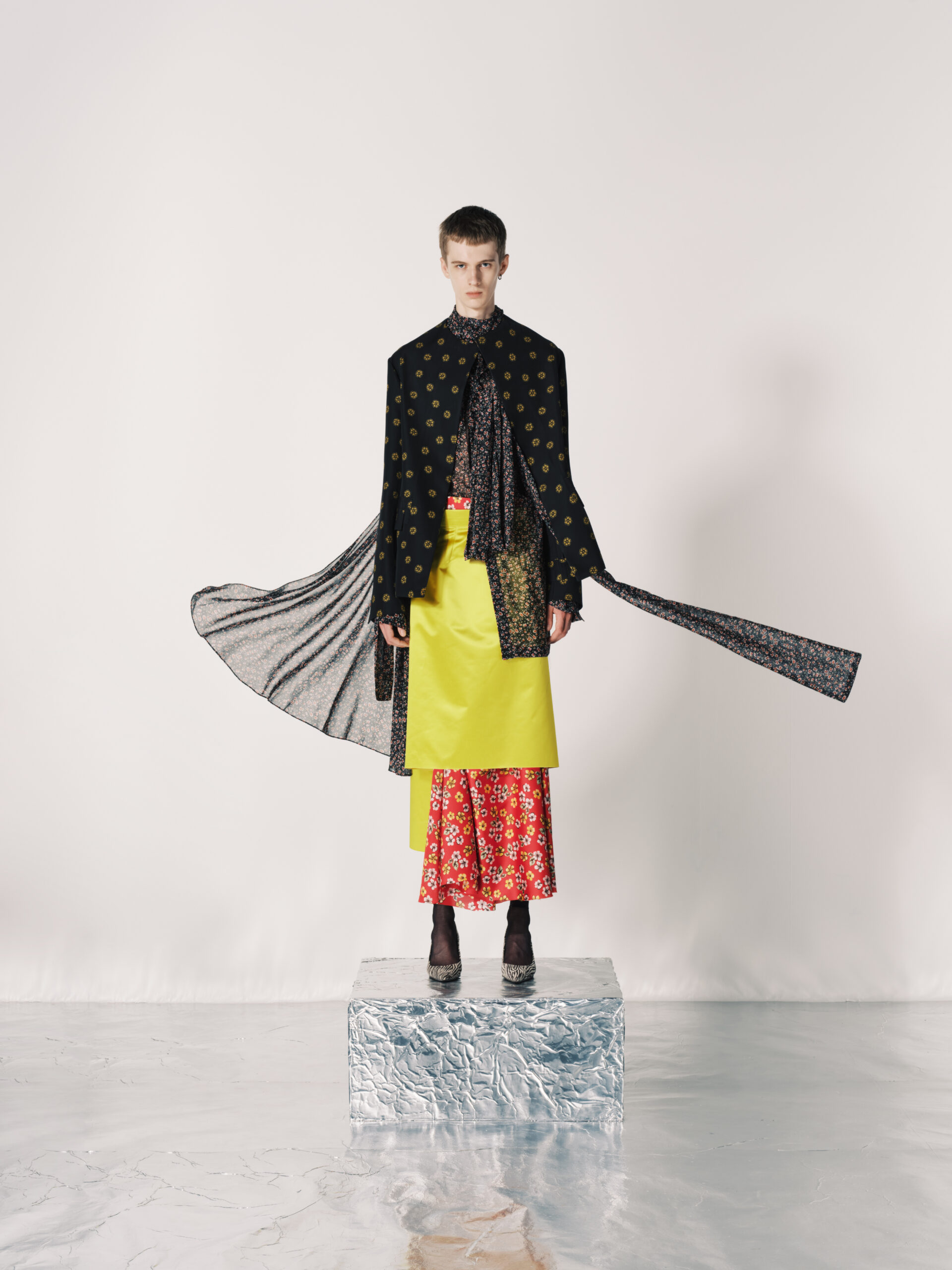
Kito Kitsoane is a fashion designer whose practice centres on form, material and the stories carried by objects. Drawing on objects and rituals from both his native South Africa and his current home in Belgium, he explores the connections people create with material culture across time and place. For Kitsoane, clothing can become a way of translating these shared experiences into wearable forms and of creating a dialogue between different cultures. This interest also shapes his approach to materials. He frequently works with discarded textiles such as old carpets, tablecloths and bed linen, giving them a new function and meaning through clothing. Building on a strong technical foundation in design and patternmaking, Kitsoane has developed a multidisciplinary practice spanning research, textile manipulation and image-making. As his work evolves, he is increasingly interested in incorporating performance and movement, further expanding the world around his garments.
Picture © Jorre Janssens
— Marie Scerri
Marie Scerri is a 26-year-old Belgian designer and recent graduate of La Cambre Modes in Brussels. Her work focuses on the construction of garments and on revealing elements that are usually concealed within the making process. Building on research begun during the first year of her Master’s degree, she develops new cutting principles inspired by the working methods of artists. Material, pattern and construction are closely intertwined in her graduate collection. Textile embellishment and meticulous finishing play an important role, while unexpected cutting techniques give the garments a sense of movement and playfulness. Through this combination of technical research and experimentation, Scerri seeks to make the process of garment-making visible, resulting in pieces that are precise in execution yet retain a distinctly lively and Belgian sensibility.